
Brief Summary
In this video, the host demonstrates how to tie a simple one-hook bottom fishing rig efficiently. The video covers the necessary materials and various types of knots crucial for this rig's assembly, including quick tying methods for both beginners and more advanced fishers. The tutorial is designed to help viewers quickly get back into fishing after losing a rig.
- Quick tie for a bottom fishing rig
- Overview of materials needed
- Steps for tying different knots
- Final rig assembly tips
Intro
The host introduces the video by stating the goal: to demonstrate a simple, fast method for tying a one-hook bottom fishing rig. This rig is especially useful for bottom fishing where snags are common, such as when targeting tog fish which can quickly cut the line in rocky areas. The aim is to provide a rig that can be tied in under 30 seconds.
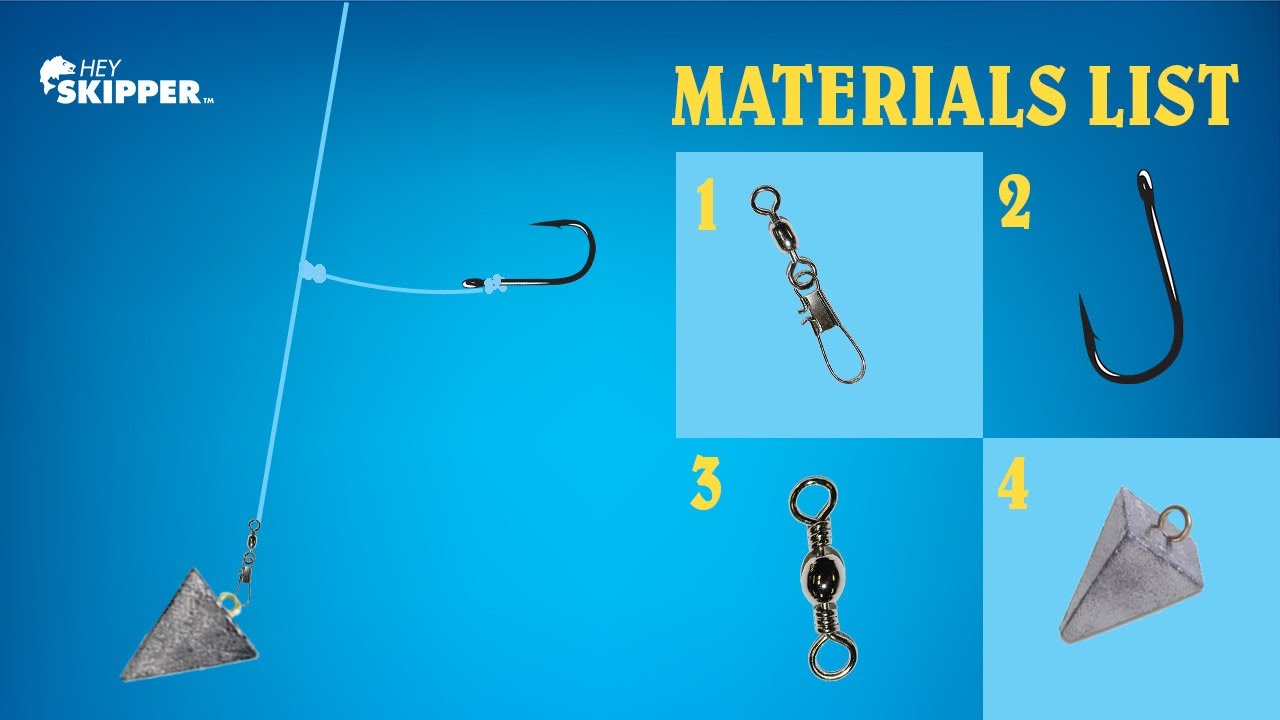
Materials List
The host lists the materials needed for the rig: fluorocarbon line, pyramid sinkers (or similar), and snap swivels or two-way swivels. Hook sizes should match the expected catch. The host emphasizes the importance of having pre-tied rigs ready to use, especially for those who may struggle with tying knots or who simply want to fish without hassle.
Fast Knot
The host demonstrates a quick knot suitable for beginners. This first loop knot is easy to tie in the field when time is of the essence. The steps include creating a loop, twisting the line several times, and using saliva to facilitate tightening. This knot is strong enough for quick use and can rapidly secure a hook to the line.
Dropper Loop Knot
Next, a more advanced knot called the dropper loop is introduced. The host explains how to make a circle, twist the line multiple times, and create a loop for attaching additional hooks. The process is demonstrated step-by-step, with tips on maintaining equal tension while tightening the knot for a secure and effective connection.
Improved Clinch Knot/attaching the swivels
The video proceeds to the improved clinch knot, essential for attaching sinkers and swivels. The host provides detailed instructions, showcasing how to loop the line, twist it, and properly pull it through to form the knot. This knot is used both for securing the sinker and for tying the top swivel in the rig.
Tying the Rig on Fluorocarbon
The host transitions to assembling the complete rig using a 30-pound leader fluorocarbon line. He demonstrates how to tie knots with a focus on ease and retention of rigging components like the sinker and hook. Adjusting the length of the dropper loop is discussed as a key aspect of ensuring that the rig is effective for different fishing conditions.
Conclusion
In the conclusion, the host sums up the tutorial, encouraging viewers to practice tying the simple rig to become better anglers. Discussion touches on the flexibility of the rig, including options for adding floats and varying sinkers for effective fishing in diverse scenarios. The host thanks viewers for their support, inviting them to subscribe and check out various fishing supplies.

