Brief Summary
This video summarizes the key ideas from Bessel van der Kolk's book, "The Body Keeps the Score," emphasizing the connection between emotional suffering and physical manifestations. It highlights how trauma and emotional experiences are stored in the body, influencing posture, breathing, and physical responses. The video suggests therapeutic approaches that incorporate physical activities and sensory experiences to address emotional healing, particularly for those who experienced neglect or trauma in childhood.
- Emotional suffering manifests physically, influencing posture, breathing, and physical responses.
- Trauma can lead to either hyper-alertness or numbness in the body.
- Therapeutic approaches should incorporate physical activities and sensory experiences to address emotional healing.
Bessel van der Kolk's book "The Body Keeps the Score" emphasizes that emotional suffering is not solely a mental phenomenon but also manifests physically. Symptoms appear in posture, breathing, sleep patterns, digestion, and attitudes toward exercise. Taking the body seriously allows new approaches for diagnosing and treating emotional issues.
Therapists should view the body as a record of emotional experiences. For example, individuals who grew up with an angry parent might suppress their own anger, becoming meek and overly compliant. Physically, they may become still and frozen, fearing that expressing vitality could provoke retaliation. This can manifest as stiff posture or resistance to physical activities like running, stemming from a fear of their own strength.
Van der Kolk recommends therapies beyond traditional talk therapy, such as kickboxing, karate, competitive running, or swimming, to help individuals reconnect with their strength. Rhythmically chanting or drumming can also release pent-up longings for self-assertion. Traumatized individuals often have bodies that are either hyper-alert or numb, and treatment aims to find a balance between these extremes.
Van der Kolk's team established a sensory integration clinic, an indoor playground for both children and adults, to help individuals reconnect with bodies that were not properly touched or cared for in childhood. Activities include diving onto foam mats, rolling in a ball pool, swinging, and balancing on a beam. This approach aims to correct long-standing alienation from the body, particularly for those neglected by emotionally stunted parents.
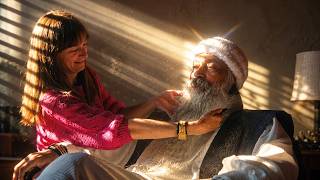
Individuals who were neglected may feel disconnected from their bodies, experiencing discomfort with touch or viewing their bodies negatively. Van der Kolk suggests therapeutically informed massage to rebuild trust in one's skin and limbs. The goal is to provide experiences that contradict the helplessness, rage, or collapse resulting from trauma.
The body's physical symptoms can serve as a source of memory and evidence when the mind is blocked. By observing posture, breathing, and reactions to touch during therapy, individuals can begin to remember past traumas. Healing can occur through wise counsel and comforting words, as well as through physical activities like dancing, swinging, chanting, and embracing.
Summarize any YouTube video in seconds
Get summaries like this one for any video, in your language, with the free Summ app.
Transcript
Full transcript of “The Body Keeps the Score”. Click a timestamp to open the video at that moment. Need another video? Use the YouTube transcript generator.
0:04 the body keeps the score is the beautiful and suggestive title of a book published in 2014 by a dutch professor of psychiatry at boston university called bessel van der kulk the book has proved immensely significant because it emphasizes an idea that has for too long escaped psychiatrists and psychotherapists vander kulk stresses that people who are suffering emotionally are unlikely to do so just in their minds crucially their symptoms almost always show up in their bodies in the way they sit or breathe and how they hold their shoulders in their sleep patterns in their digestion processes in the way they treat their spots and in their attitude to exercise taking the body more seriously opens up
0:50 new avenues for both the diagnosis and treatment of emotional unwellness instead of simply seeing a person as a disembodied mind which must talk its way to a cure a therapist is advised to see the body as a kind of score sheet of the emotional experiences that its owner has been through a scoresheet that should be read and attended to as carefully as any mental account to take one example many people who have grown up having to deal with the overwhelming rage of a parent will have learnt to suppress their own anger and their desire to hit back at those who hurt them in their minds they will have become meek and precisely attuned to fulfilling the wishes of others however unreasonable these might be
1:35 but as importantly in their bodies they will have learnt to be very still almost frozen because a part of them associates the expression of anything exuberant or powerful with the risk of bringing about retaliation from others these people might sit in a particularly stiff way or have an ingrained resistance to running that has nothing to do with laziness what is at stake is a fear of one's own vitality in trying to treat such people van der kulk goes beyond advising traditional talk therapy he would also recommend that they try under the supervision of a therapeutically trained teacher kickboxing or karate competitive running or swimming sports these people might long have resisted because of a cowed relationship
2:22 to their strength they might also try out rhythmically chanting or drumming thereby additionally releasing pent-up longings to assert one's right to be traumatized people tend to have bodies that are either too alert responding to every breath and touch flinching and bristling at contact or else too numb shut down heavy and immobile treatment seeks to find a more comfortable halfway house between these two extremes vanderkolk's book helps us to think anew of how to deal with people who at the start of their lives were not properly held caressed and soothed in the way that young children desperately need to be in order to feel at home in their own skin
3:08 as part of their work van der kulk and his team opened up a sensory integration clinic in boston a sort of indoor playground for children and adults where one can get back in touch with a body that was not properly and by loving hands touched or cuddled gently swung from side to side or hung upside down for a giggly moment in the sensory integration clinic under the instruction of a therapist one might dive onto foam-filled mats have a roll around in a ball pool jump on a swing and balance on a beam it sounds childlike and is meant to be offering a serious chance to go back a step to correct a long-standing alienation those who were once neglected by
3:53 emotionally stunted parents have often almost literally withdrawn from their bodies they own them but they do not properly live in them they might be rendered deeply uncomfortable if anyone touches their shoulders or strokes their back they might intuitively think their body was disgusting because that's how it once seemed in the eyes of those who were meant to look after them for such people vanderkulk might advise a therapeutically informed massage to help rebuild a basic trust in one's skin and limbs as he puts it he wants the body to have experiences that deeply and viscerally contradict the helplessness rage or collapse that resulted from trauma it is no doubt deeply unfortunate that a
4:38 difficult past appears to give us physical as well as mental symptoms but the body's travails can in vanderkulk's optimistic account also become a source of memory and evidence when our minds have otherwise seized up or fatally doubt the legitimacy of their own feelings we can start to remember what might have happened to us by asking ourselves questions in therapy and at the same time by taking a look at how we are sitting how we breathe and how we feel when someone we love proposes to hold us then we can hope to be healed not only by wise arguments and kind voices however consoling these might be but also by dancing swaying from side to side on a gigantic
5:24 swing chanting in unison or best of all surrendering ourselves to a very long and very nourishing hug from someone we have quietly dared to trust how to overcome your childhood is a book that teaches us how character is developed the concept of emotional inheritance the formation of our concepts of being good or bad and the impact of parental styles of love on the way we choose adult partners