
Brief Summary
In this video, Irina Arsenieva discusses the basic design principles for creating effective lead magnets. The focus is on developing visually appealing guides that resonate with your target audience. She provides templates from Canva and emphasises the importance of layout, structure, and aesthetics in making lead magnets that attract and retain potential clients.
- Importance of design in lead magnets for attracting audiences
- Introduction of Canva templates for inspiration
Basic Design of Lead Magnets
Irina introduces the topic of basic lead magnet design, recommending viewers to watch the previous lessons on style and account presentation first. She mentions that the lead magnet can take various forms but will focus on guides as a common example. The aim is to create visually balanced and appealing lead magnets that encourage potential clients to sign up for further services.
Templates and Layout Suggestions
Irina shows various templates available on Canva, highlighting basic designs that can be adapted. She stresses that the choice of design should reflect your personal profile and audience. The importance of using multiple fonts and well-coordinated images is discussed to create an organised and aesthetically pleasing document. She encourages viewers to plan basic layouts before adding decorative elements.
Vertical vs Horizontal Formats
The host expresses her preference for vertical formats over horizontal ones for ease of reading on mobile devices. She shares her personal experience regarding the difficulties of designing horizontal lead magnets. Irina advises that the content should be concise, as lead magnets should deliver value without overwhelming the reader with excessive information.
Styling and Aesthetics
Irina discusses the significance of maintaining a consistent aesthetic across lead magnets. She explains how minimalistic styles can be effective, as long as they are balanced and visually appealing. She also encourages experimentation with design elements like quotes and images while ensuring that the lead magnet remains purposeful and does not contain unnecessary fluff.
Colour Schemes and Design Balance
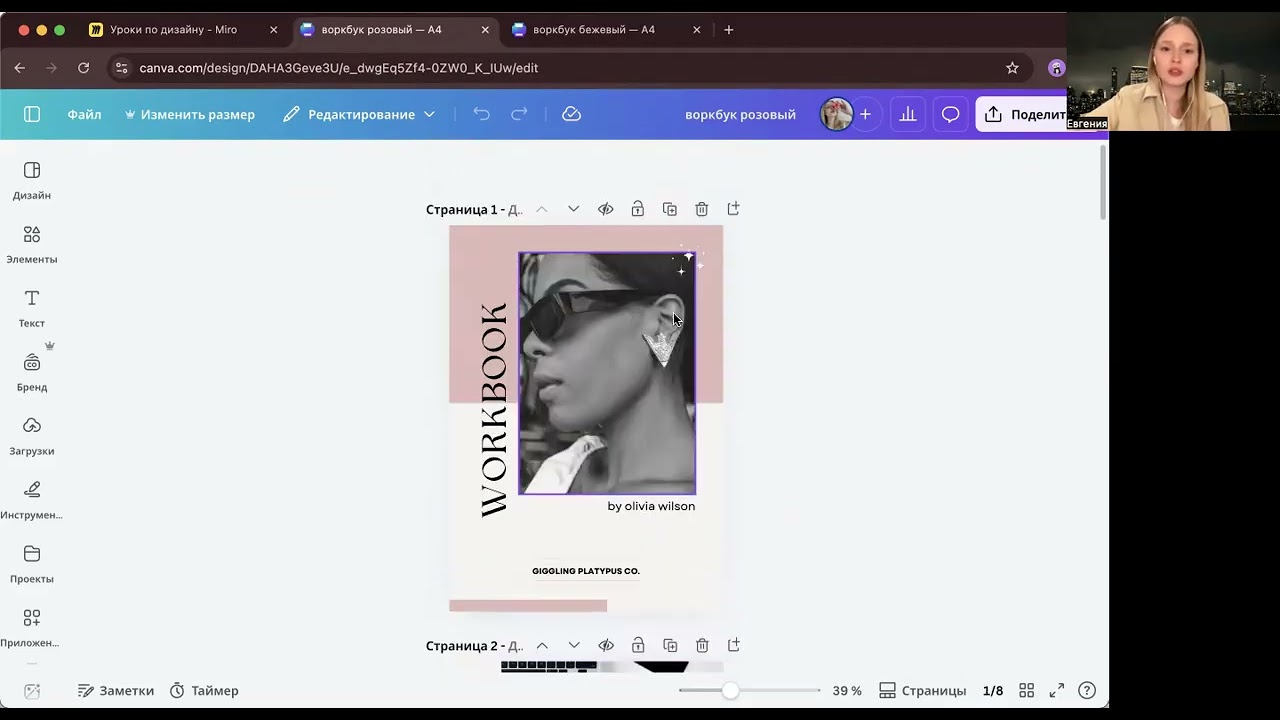
Irina showcases a pink lead magnet template and explains how the colour scheme is managed. She notes the effective use of colours and space to create visual interest. Emphasising the importance of balance in design, she advises using multiple sections and colour highlights to ensure readability and aesthetic appeal.
Neutral and Minimalist Options
The neutral design option is explored, suitable for a broader audience. Irina highlights the significance of geometrics and rhythm in layout for creating visually pleasing pages. She demonstrates how to balance elements through colour and font choices, reinforcing that good design is crucial in conveying professionalism.
Inspirational Resources
Irina provides guidance on where to find design inspiration and suggests using resources like design websites for additional ideas. She encourages viewers to analyse layouts from other materials while keeping their audience and purpose in mind. The key is to keep the content focused and reader-friendly, avoiding clutter.
Personal Experience and Recommendations
Irina shares her experience creating a lead magnet for teaching slang. She discusses the methodology behind selecting images and arranging content to achieve visual harmony. The successful outcome of her lead magnet, which helped gather students for her English class, illustrates the efficacy of thoughtful design.
Final Thoughts on Design
In conclusion, Irina urges viewers to take their time in designing lead magnets, as their presentation can significantly impact how potential clients perceive them. She encourages learners to seek inspiration from various sources, noting that good design goes beyond aesthetics and includes effective communication. Viewers are invited to consult her for further assistance with their designs in Canva.

