
Brief Summary
This video discusses water-soluble vitamins, specifically B6, B12, and folate (B9). Key points include their functions, mechanisms, dietary requirements, toxicity, food sources, and stability.
- B6 plays a critical role in amino acid metabolism, neurotransmitter synthesis, and immune function.
- B12 is essential for DNA synthesis, red blood cell maturation, and neurological function.
- Folate is crucial for DNA replication, cell division, and prevention of neural tube defects.
Vitamin B6 (Pyridoxine)
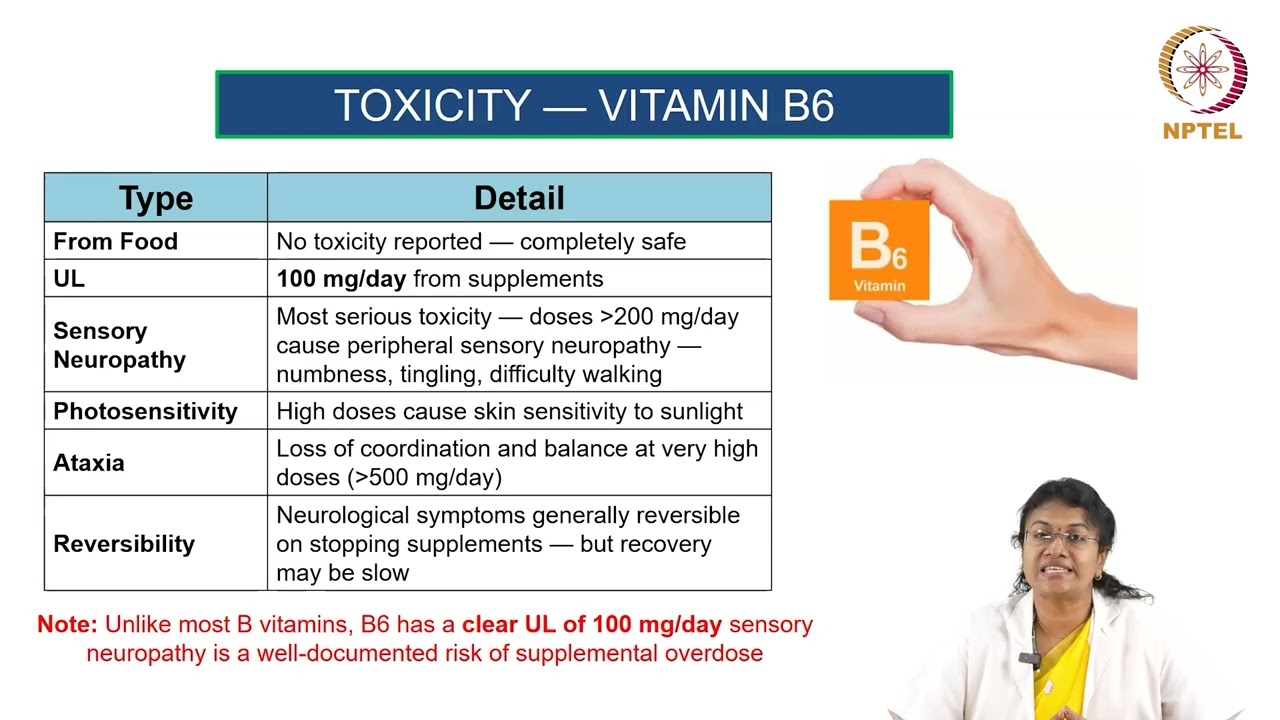
Vitamin B6 exists in three natural forms: pyridoxine, pyridoxal, and pyridoxamine, which convert to active pyridoxal phosphate (PLP). PLP is involved in over 100 enzymatic reactions, mainly related to amino acid metabolism and neurotransmitter synthesis. Major storage occurs in muscles, liver, and brain. Deficiency symptoms include peripheral neuropathy, dermatitis, and anemia. Functions of B6 encompass amino acid and neurotransmitter synthesis, glycogen metabolism, immune function, and modulation of steroid hormones. Recommended dietary allowances vary by age and gender and deficiency may arise due to insufficient dietary intake or alcohol consumption.
Vitamin B12 (Cyanocobalamin)
Vitamin B12, crucial for DNA synthesis and red blood cell maturation, contains a cobalt ion within its structure. It requires intrinsic factor for absorption in the terminal ileum, and is stored in the liver for 3-5 years. Deficiency leads to megaloblastic anaemia and neurological issues. B12 plays an integral role in several biochemical pathways, including methionine synthesis and energy metabolism. Recommended dietary intake varies, with higher values for pregnant and lactating women. B12 from animal sources is more bioavailable, while plant sources do not provide sufficient amounts.
Folate (B9)
Folate exists naturally as polyglutamate in food and as monoglutamate in supplements. It is critical for DNA synthesis, cell division, and neural tube development during early pregnancy. Deficiency can result in megaloblastic anaemia and conditions like spina bifida. The active form of folate is tetrahydrofolate, which needs vitamin B12 for regeneration. The ICMR recommends varying dietary intakes, with increased requirements for pregnant women. Folate is highly heat-sensitive and can be dramatically reduced during cooking. Food sources include leafy greens, legumes, and fortified cereals.

