
Brief Summary
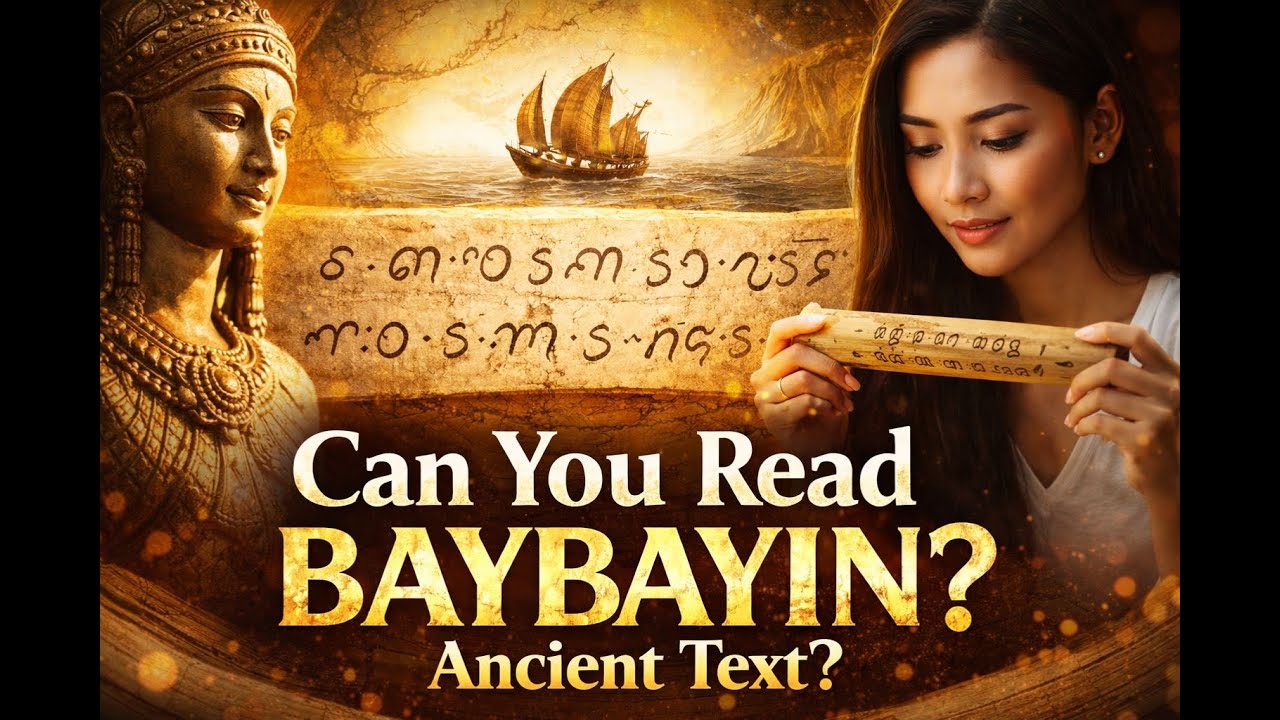
This video explores the historical significance and evolution of the Bayan script, a writing system used by ancient Filipinos. It emphasizes the script's origin, its links to regional scripts, and the impact of colonialism on its usage and preservation. The revival of Bayan in contemporary culture is highlighted, showcasing its role in discussions of identity, heritage, and resistance against cultural erasure.
- Bayan was a sophisticated script used by Filipinos for self-expression long before Spanish colonization.
- The script's decline resulted from colonial imposition of the Latin alphabet, though recent movements advocate for its revival and cultural preservation.
The Origins of Bayan
Bayan, an ancient script used by Filipinos, existed long before Spanish colonizers arrived. Rooted in the word "baby," the script was a means of spelling and writing found on materials like palm leaves and bamboo. Unlike modern alphabets, Bayan is an abugida system where each character represents a syllable, stemming from a broader Southeast Asian writing tradition influenced by Indian Brahmic scripts. This sophistication amazed Spanish chroniclers who encountered literate communities rather than the expected illiteracy.
Cultural Connections
Bayan's characters resemble scripts from other regions, indicating the Philippines was part of extensive trade and cultural exchanges across Southeast Asia. The influence of Hindu-Buddhist states spread literacy practices throughout Asia. The exact origins of Bayan are debated, with theories suggesting connections to ancient Javanese or South Sulawesi scripts. This reflects a history of hybridization rather than a singular origin.
Literary Landscape Pre-Colonization
Prior to Spanish settlements, the Philippines had a rich literacy landscape, with different regional variants of Bayan used across various islands. In the Visayas, it was known as Badlit, while other groups developed their versions, underscoring the diverse linguistic practices. Although writing may have been primarily used by the elite and priests, literacy was not confined to one ethnic group, demonstrating a widespread cultural practice.
Daily Uses of Bayan
Bayan script was integrated into daily life, employed for personal letters, charms, and poetry, and not just formal documents. Spanish accounts noted that many locals engaged in written communication, challenging the narrative of widespread illiteracy. Much of this written culture has since vanished due to the perishable materials used, yet references indicate a broad literacy that may have surpassed that of contemporary Europe.
Colonial Imposition and Decline
Spanish colonization led to the quick decline of Bayan, transitioning to the Latin alphabet, which was seen as more efficient for printing and aligned with Catholic teachings. The introduction of Latin-based education marginalized Bayan, severing the connection between Filipinos and their earlier writing systems. This transition represented a form of control over educational and cultural practices that echoed colonization efforts globally.
Cultural Resilience
Despite the decline, remnants of Bayan persisted in certain communities, where indigenous scripts continued to be used and have been recognized by UNESCO as part of cultural heritage. These communities, less impacted by colonial educational reforms, maintained their traditional literacy, ensuring that some knowledge of Bayan survived and evolved over the centuries.
Revival Movements
Recently, there has been a significant revival of Bayan as young artists incorporate its characters into various modern cultural expressions, such as fashion and social media. Discussions around teaching Bayan in schools gained momentum, reflecting a desire for cultural reclamation and identity assertion. However, critiques caution against treating Bayan merely as aesthetic, emphasizing the need for a deeper understanding of its linguistic and historical significance.
Cultural Identity and Empowerment
Engagement with Bayan fosters cultural pride and connectedness, especially within diaspora communities. Studies reveal that learning the script enhances feelings of belonging and empowerment, allowing individuals to embrace their heritage. This phenomenon mirrors global trends where indigenous scripts are reclaimed as symbols of identity and resilience against marginalization.
Challenges and Uncertainties
Despite growing interest in Bayan, uncertainties remain regarding its historical context, literacy rates, and use. Many questions about who practiced writing and the social dynamics surrounding it remain unresolved, as most original documents have been lost. This ambiguity invites both speculation and careful analysis of Bayan's significance as both a cultural artifact and a living expression.
Future of Bayan
The revival efforts incorporate modern technology, with new mediums helping breathe life into Bayan. Museums and schools actively engage the community through workshops and educational initiatives. Bayan's transformation illustrates that writing transcends mere text; it embodies a nuanced reflection of identity, history, and the ongoing evolution of cultural expression in the Philippines.

