
Brief Summary
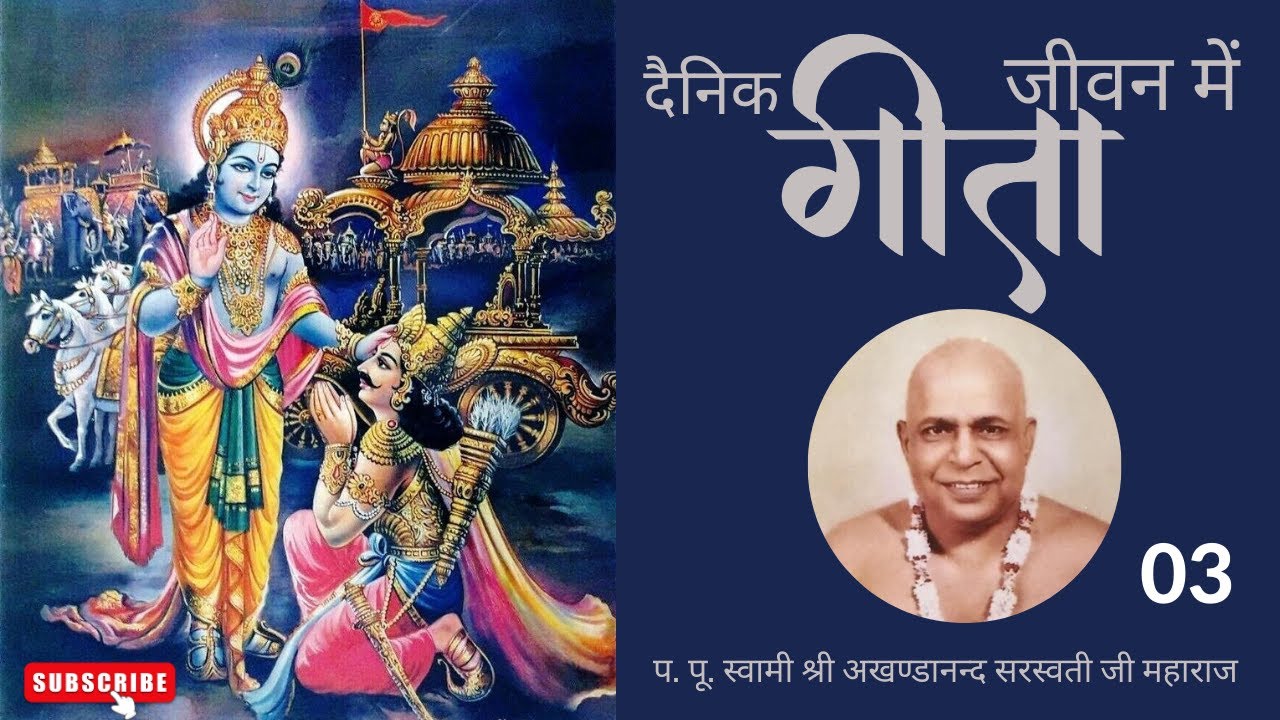
This video by Swami Akhandanand Saraswati delves into the significance of "sanskar" (sacraments) in human life, illustrating how individual actions and thoughts shape one's character and spirituality. It emphasizes the need for spiritual knowledge and practices to cultivate a pure heart, focusing on morality, self-discipline, and the importance of realizing one's connection with the universe.
- The essence of sanskar and its meaning related to self-cultivation.
- The role of spiritual knowledge in cleansing the mind and promoting ethical living.
Singing Intro
The video begins with musical offerings that set a spiritual atmosphere, inviting participants to engage with the higher philosophical themes that will be presented.
Understanding Sanskar
Swami Akhandanand explains the concept of "sanskar," portraying it as the process of refining oneself, similar to the care given to nurture a plant. He defines sanskar as the act of enhancing qualities in life, not just in physical spaces but in our hearts and minds.
The Importance of Moral Values
He addresses the misconception that sanskar refers only to household chores or personal grooming, emphasizing that true sanskar encompasses the cultivation of knowledge and virtue, as illustrated in sacred texts like the Gita and Upanishads.
Process of Purification
The Swami discusses the purification process when it comes to both the physical and spiritual aspects. He integrates the purification of desires, actions, and intentions into the daily practices of life, forming a basis for moral living.
Body as a Laboratory
The body is presented as a laboratory for testing spiritual principles, highlighting how various parts serve specific functions that mirror the broader aspects of life. The connection amongst different body parts symbolizes the need for harmony and cooperation in one's spiritual journey.
Unity of Existence
The significance of recognizing oneself as part of a greater whole is emphasized. The Swami stresses the necessity of actions aligned with the welfare of the universe, arguing that one's duty is to act in ways that benefit all beings rather than focusing solely on personal desires.
Determining Dharma
The discourse touches on the definition of Dharma, contending it should be viewed as a universal duty that governs ethical conduct, devoid of self-interest. The speaker encourages everyone to embrace their Dharma in a way that's aligned with the welfare of the world.
Spiritual Leadership
Reflecting on spiritual guidance, it's discussed how individual actions are influenced either by divinity or base desires. The encouragement is to seek God's wisdom in guiding one's choices, emphasizing the need for purity of intention and thought.
Philosophy of Attachment
The topic of attachment is explored, where the Swami makes a distinction between healthy practices of emotional connection and those that lead to suffering. The intent is to foster a more profound understanding of relationships and their impact on spiritual development.
Conclusion and Call to Action
In conclusion, Swami Akhandanand encourages viewers to actively engage in their spiritual practices and reflect on how they can facilitate growth within themselves and their communities. The call is to harmonize one's actions with divine principles to truly embody the essence of Dharma.

