
Brief Summary
This video highlights the history of Indonesian animation, focusing on its roots and significant milestones. It emphasizes the contributions of pioneers like Pak Ook and showcases how animation has served as a tool for education and societal development rather than mere entertainment.
- The first Indonesian animation was created using traditional methods without modern technology.
- Pak Ook was sent to the U.S. to learn animation and returned to create the first notable animated film.
- The animation "Suma" in the 1970s marked a shift towards using animation for educational purposes.
The Early Days of Indonesian Animation
The video begins by discussing Indonesia's animation history prior to the introduction of global influences like Pixar and Japanese anime. In the 1950s, amidst limited resources and infrastructure, Indonesia produced its own animated films, created primarily with simple materials such as pencil and paper. It was a significant period where animation became a medium for education and social causes.
Introducing Pak Ook - The Father of Indonesian Animation
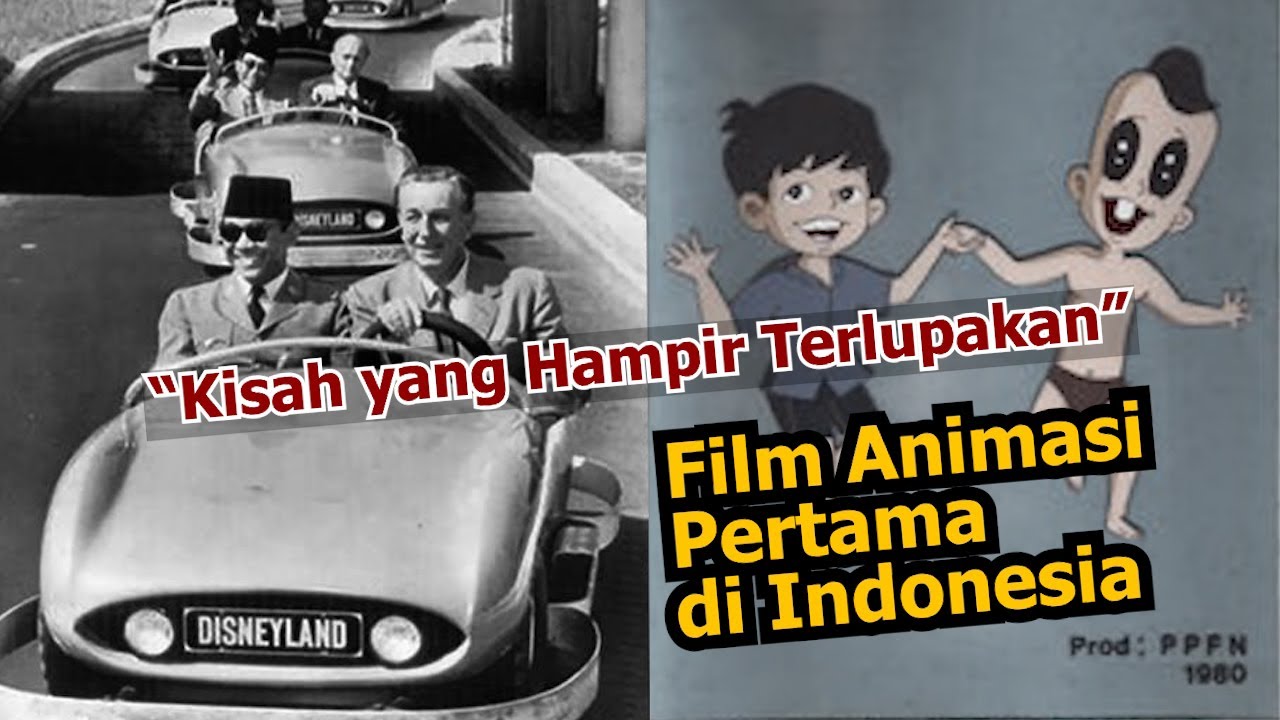
The narrative introduces Duk Hendronoto, known as Pak Ook, who is recognized as the father of Indonesian animation. He was sent by President Soekarno to study animation at Walt Disney Studios. After three months of training, he returned to Indonesia and created "Si Duel Memilih," a two-dimensional animated film made for the 1955 election campaign. Although it played a crucial role in promoting animation in Indonesia, documentation of this film remains scarce, leading to some controversy about its historical significance.
Suma - The First Educational Animation
In the 1970s, the animation "Suma" emerged from a collaboration between the Indonesian Film Production Center (PPFN) and UNICEF. This film featured characters Huma and Windy, focusing on themes such as agriculture, health, and community life. Unlike many animations designed for entertainment, "Suma" aimed to educate the public and raise awareness about important issues, showcasing animation's potential as an educational tool.
The Labor-Intensive Process of Animation
The video describes the painstaking process involved in creating animation at that time, highlighting how animators like Pak Ook produced thousands of drawings manually. Each second of animation required 12 to 24 individual images, necessitating meticulous timing and manual editing, with the whole process often taking several months. This labor-intensive approach underlined the dedication and artistry involved in early Indonesian animation.
The Impact and Legacy of Early Animation
"Sihuma," the animated feature, was showcased using mobile projectors throughout urban and rural areas, allowing many people to experience the magic of moving images for the first time. This initiative was aimed at educating rural communities and promoting governmental development messages, proving the impactful nature of animation. While many of these early animated works are now lost, they represent a significant milestone in Indonesia's cultural history, emphasizing the importance of storytelling and the roots of Indonesian animation.
A Call to Preserve Animation History
By the end, the video stresses the importance of recognizing and sharing the history of Indonesian animation. It encourages viewers to appreciate the struggles and dreams that led to the establishment of a unique animation culture, highlighting that Indonesia's animation journey began not with technology but with creativity and determination. The story underscores the concept that every great movement starts with a small idea, urging the audience to support ongoing efforts to document and celebrate this important aspect of culture.

