
Brief Summary
The video explores the origins and representations of the mythical creature, the phoenix, particularly focusing on its Arabic roots and its evolution across cultures. It discusses the confusion surrounding the phoenix's identity and the influences of history and media on its portrayal.
- The phoenix was first documented by Herodotus, who described it as a bird from Arabia.
- Cultural misrepresentation in video games and Hollywood has distorted the perception of the phoenix and Arab culture.
- The video examines the impact of language and historical documentation on the legacy of the phoenix and its significance in Arabic folklore.
Introduction to the Topic
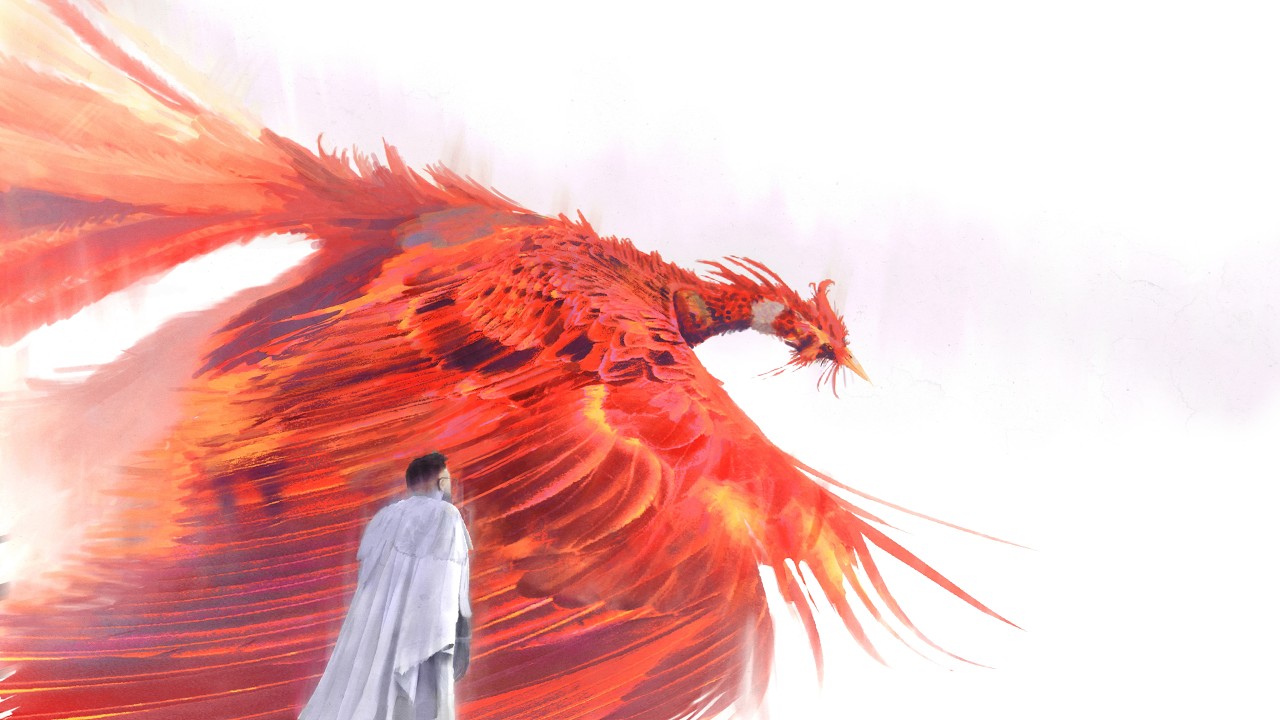
The video begins with a musical backdrop and an introduction to a game called Overwatch, which features a character named Amaranth, linked to the phoenix legend. The narrator expresses frustration that the legendary phoenix, inherently an Arab myth, has been represented as a Chinese creature in the game.
The Origins of the Phoenix
The narrator explains that the phoenix is an ancient symbol rooted in Arabic culture, brought to light through the works of Herodotus around 400 B.C. He introduces Herodotus as the "Father of History," who documented various cultures, including the legends of the phoenix, noting its connection to Arabia and its representation of resurrection and immortality.
Cultural Context
The video discusses how various mythologies, like those of dragons and gods in Chinese, Norse, and Greek cultures, align closely with the origins of the phoenix. The narrator raises questions about the disregard for the phoenix's Arabic identity, leading to confusion about its heritage and meaning.
The Historic Significance of the Phoenix
Reference to ancient texts highlights the importance of oral tradition in Arabic culture, where myths were passed down verbally before being documented in the Quran by 600 A.D. This transition impacted the recognition and preservation of such legends in the Arab world.
Changing Perceptions
Citing the impact of the Quran on Arabic language and literature, the host explains how attempts to preserve the Arabic language and its meaning were made, including the introduction of diacritical marks. This revitalization contributed to clarifying interpretations of ancient texts, including the phoenix mythology.
Connection Between Cultures
There's an exploration of the perception of the phoenix evolving through various cultures and religions, primarily focusing on how it became associated with concepts of rebirth and redemption in both Christian and pagan beliefs due to writings from early scholars.
Misrepresentation in Modern Media
The video points to the role of Hollywood and video games in distorting the image of the phoenix and, by extension, Arab culture. The host refers to a study analyzing the portrayal of Arabs in Hollywood films, illustrating a consistent pattern of negative stereotypes and misrepresentation.
The Stereotypical Narrative
Highlighting the prevalence of stereotypes in media, such as linking Arabs with terrorism or barbarism, the narrator emphasizes how these portrayals contribute to a distorted public perception of Arab identity and history.
Cleansing Historical Narrative
The episode argues that a lack of authentic representation can lead to a disconnection from cultural heritage, stressing the need to reclaim narratives and identities tied to legendary creatures like the phoenix that originated from the Arab world.
Conclusion: The Phoenix's Identity Crisis
In conclusion, the narrator reflects on how the phoenix has lost its Arabian identity in contemporary portrayals. He calls for a return to acknowledging and celebrating its roots, urging the broader culture to reconnect with the true stories and identities behind such impactful myths.

