
Brief Summary
This video explores the identity and significance of the 24 elders mentioned in the Book of Revelation. It discusses their biblical representation, the symbolism behind their attributes, and their role in heavenly worship.
- The identity of the 24 elders remains unspecified in the Bible.
- They actively worship God, presenting their crowns as offerings, symbolising humility and reverence.
Who Are the 24 Elders?
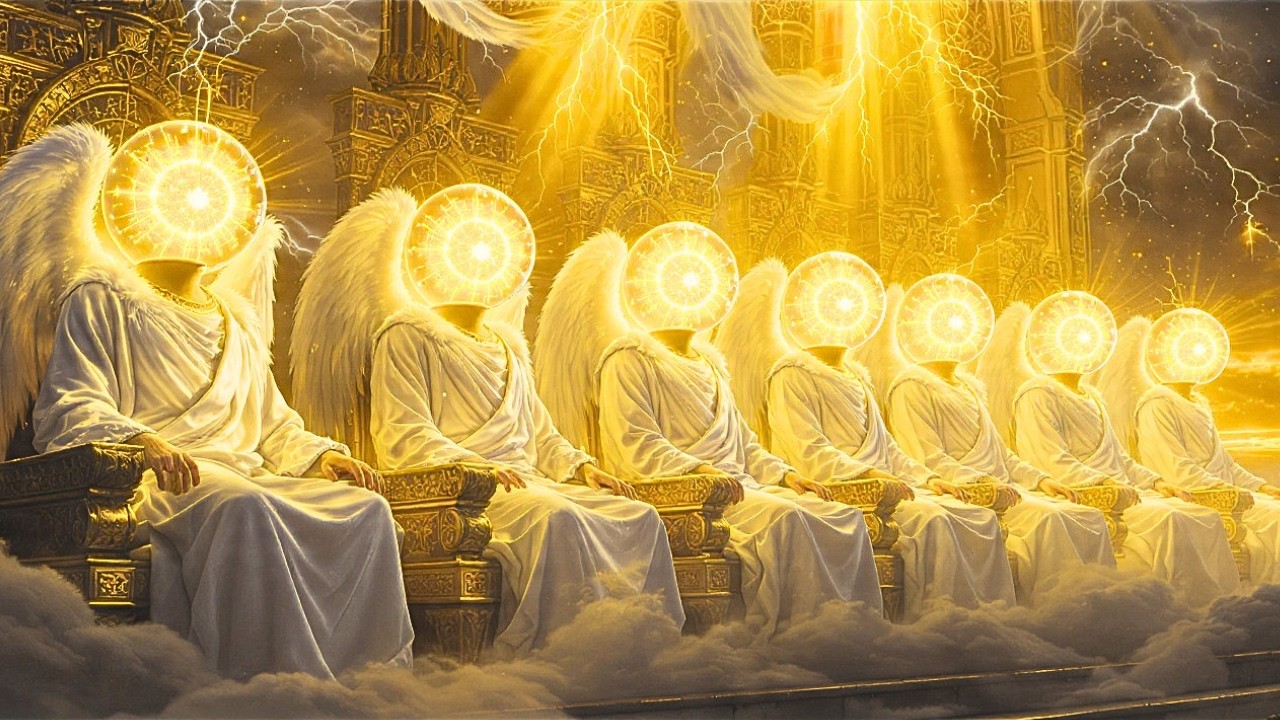
The video opens with the question of who the 24 elders around God's throne are, discussing interpretations that range from angels to glorified humans or representatives of the holy people. It highlights the scene described in Revelation 4, where John sees God on the throne with the elders worshipping. Key elements such as the elders' crowns of gold, white robes, and their act of worship are introduced, emphasising their proximity to God's authority.
The First Appearance of the Elders
John's vision in Revelation 4 reveals the 24 elders seated on thrones, dressed in white robes, and wearing golden crowns. Their position signifies their authority, as they are not distant spectators but are instead part of the heavenly court, close to the divine presence. The elders' white garments represent victory and purity, suggesting they may symbolize redeemed humans, although the connection to angels is noted.
Understanding the Significance of Crowns
The elders possess golden crowns that signify victory rather than authority. The focus on these crowns indicates they see their triumphs as achievements to be offered back to God in worship, revealing a theme of humility. Their habitual act of laying down their crowns before God highlights recognition of His supreme authority.
The Worship and Declaration of the Elders
The elders worship God openly, acknowledging Him as the creator of all things. Their proclamations reflect a deep understanding of God's sovereignty without questioning His will. Throughout Revelation, the elders display an attitude of reverence, participating actively in the divine liturgy and constantly directing attention back to God.
The Symbolism of the Number 24
The number 24 is examined, linking it to the 24 priestly divisions established by King David, a structure symbolising order in worship. Additionally, the potential connection of the 24 elders to the 12 tribes of Israel and the 12 apostles suggests they may represent the entirety of God’s people, both Old and New Testament.
Celestial Council Interpretation
Another interpretation proposes that the elders are not human but celestial beings forming a council around the throne. This is supported by their distinct role in worship and explanation of John's visions, distinguishing them from the angelic beings in other parts of Revelation.
The Timing of the Elders' Appearance
The timing of the elders' appearance raises questions about their identity as redeemed humans, as they are present before key apocalyptic events unfold. Interpretations vary between viewing them as the glorified church already caught up in heaven or understanding Revelation's narrative as non-linear, featuring cyclical representations of events.
Clarifying Their Identity
The video emphasises the lack of definitive biblical identification for the 24 elders, with interpretations requiring caution. Their characteristics suggest a dual representation of both redeemed humans and celestial beings, acknowledging their worship role without conclusive identity.
The Importance of Their Role in Worship
The elders serve to refocus worship on God, as they demonstrate that all honour and glory are to be returned to Him. Their actions emphasise that even those in celestial positions should yield to God’s authority and that true worship involves surrender and humility.
Prayer and Intercession
The role of the elders in holding golden bowls of incense, which represent the prayers of the saints, reinforces the connection between divine worship and human intercession. It affirms that God acknowledges the sincere prayers of His followers, highlighting the significance of their role in heavenly intercession.
The Lion and the Lamb
As the narrative continues into Revelation 5, the elders witness the announcement of the Lion of Judah, who is also depicted as a slain Lamb. This duality reflects the nature of Christ’s sacrifice and victory, emphasising that true strength is found in His humility and sacrificial love.
The Final Message from the Elders
The video concludes with the representation of the elders as enduring symbols of worship, continuous adoration, and the constant redirecting of focus toward the Lamb. Their role and the dynamics of their existence serve as an invitation to believers to embrace a posture of worship and humility before the throne of God.

