
Brief Summary
This session on beverages and convenience foods covers the classification, composition, processing, and functional properties of major beverages, including tea, coffee, cocoa, juices, and carbonated drinks, alongside an evaluation of convenience foods concerning nutrition, safety standards, and health impacts.
- Beverages are classified into alcoholic and non-alcoholic based on alcohol content, temperature, and nature.
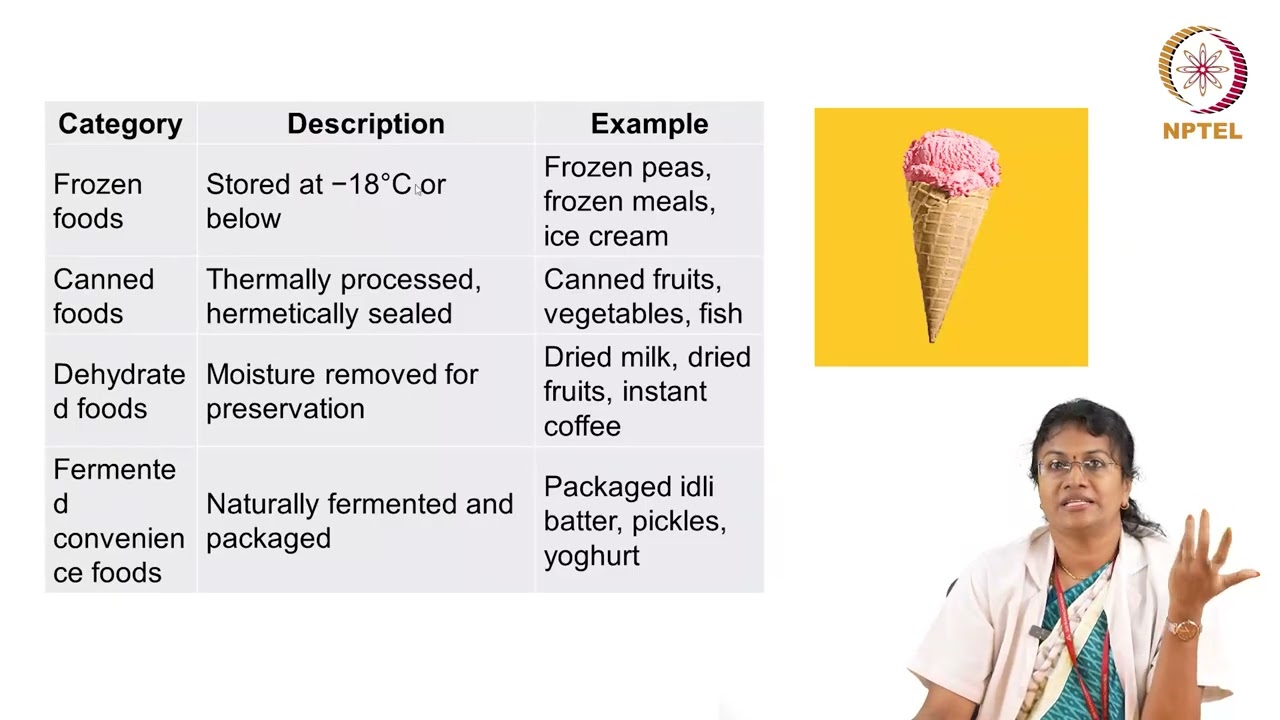
- Convenience foods, which require little or no preparation, are categorised into various types including ready to eat, ready to cook, and frozen foods.
- Health concerns arise around high sugar and sodium content in convenience foods, as well as the additives used in their production.
Beverages Overview
Beverages serve various purposes such as hydration, nourishment, stimulation, and pleasure and can be classified as alcoholic or non-alcoholic. Non-alcoholic beverages include items like tea, coffee, juices, and soft drinks, whereas alcoholic beverages comprise beer, wine, and spirits.
Classification of Beverages
Beverages are classified into categories based on alcohol content, temperature, and nature. Non-alcoholic beverages include tea, coffee, fruit juices, and soft drinks. Hot beverages consist of tea, coffee, cocoa, and cold beverages include fruit juices and carbonated drinks. The nature of beverages can be stimulating (like tea and coffee), refreshing (like fruit juices), nourishing (such as milk-based drinks), or fermented (like kombucha).
Tea and Its Components
Tea, particularly chamomile, is predominantly produced in Assam, Darjeeling, and Nilgiris. Key components include caffeine and various polyphenols that contribute to its health benefits, relaxation properties, and flavour. Different types of tea include green, black, oolong, white, and herbal tea, each varying in processing techniques and flavour.
Coffee and Its Processing
Coffee, produced mainly in Karnataka, Kerala, and Tamil Nadu, features caffeine as the primary stimulant. The coffee bean undergoes several processes including pulping, fermentation, drying, milling, and roasting, leading to its final flavourful product. Chlorogenic acid contributes antioxidant properties, while roasting develops the aromatic compounds.
Cocoa and Chocolate Production
Cocoa belongs to the family Sterculiaceae, with theobromine serving as the primary stimulant. The cocoa production process involves fermentation, drying, roasting, and grinding, culminating in chocolate. Cocoa is rich in flavanols and cocoa butter, offering various health benefits.
Fruit Juices and Their Nutritional Value
Fruit juices are prepared from fresh fruits through processes like extraction and preservation, rich in vitamin C and natural sugars. Juice classifications include fresh (unpasteurized), pasteurized (heat-treated), concentrated (water removed), nectars, and squashes with specific FSSAI standards for fruit content.
Carbonated Beverages
Carbonated beverages, such as soft drinks, are made by dissolving carbon dioxide in flavoured sugar syrup under pressure. They often have high sugar content and acidic properties, which can affect bone health. Caution is advised due to the presence of artificial colours and flavors.
Milk-Based and Malted Beverages
Malted beverages, made from malted barley and milk solids, provide essential nutrients. Fermented milk beverages like buttermilk and lassi contain probiotics beneficial for gut health. Flavoured milk, including chocolate milk, offers additional nutritional benefits.
Beverage Chemical Composition
The chemical composition of beverages varies, with tea containing caffeine and polyphenols, coffee having caffeine and chlorogenic acid, cocoa providing theobromine and flavanols, and fruit juices rich in vitamins and organic acids. Carbonated drinks, while refreshing, pose health concerns.
Convenience Foods Overview
Convenience foods are commercially processed products requiring minimal preparation and include ready-to-eat, ready-to-cook, and frozen categories. These foods save time and effort but often lack health benefits, requiring moderation in consumption.
Types of Convenience Foods
Convenience foods are classified into ready-to-eat (e.g., biscuits and canned foods), ready-to-cook (like instant noodles), and ready-to-reconstitute options (such as instant soup mixes). Each category offers ease of use but should be consumed in moderation due to health concerns.
Health Risks Associated with Convenience Foods
Individual convenience foods like instant noodles and breakfast cereals often have high sodium and trans fats, leading to health risks such as hypertension and obesity. Canned foods can carry risks if improperly processed, and frozen foods should be consumed with caution.
Additives in Beverages and Foods
Additives such as artificial colours, flavours, and preservatives are commonly found in beverages and convenience foods. While they may enhance shelf life and palatability, moderation in their use is essential due to potential health impacts.
FSSAI Standards for Quality
The Food Safety and Standards Authority of India (FSSAI) regulates quality standards for beverages and convenience foods, requiring specified fruit juice content in products and ensuring safety in canned and bottled items. Consumers are urged to check food labels carefully to avoid health risks.
Nutritional Concerns in Convenience Foods
Nutritional issues with convenience foods include high sodium and sugar levels, contributing to health risks like hypertension, obesity, and poor gut health. Artificial additives can pose allergy risks, while nutrient loss during processing is a significant concern.
Conclusion and Recommendations
Beverages provide health benefits through bioactive compounds, whereas convenience foods present multiple health risks. It is essential to adopt a balanced approach to convenience food consumption, opting for healthier choices and adhering to quality safety standards for better health outcomes.

